
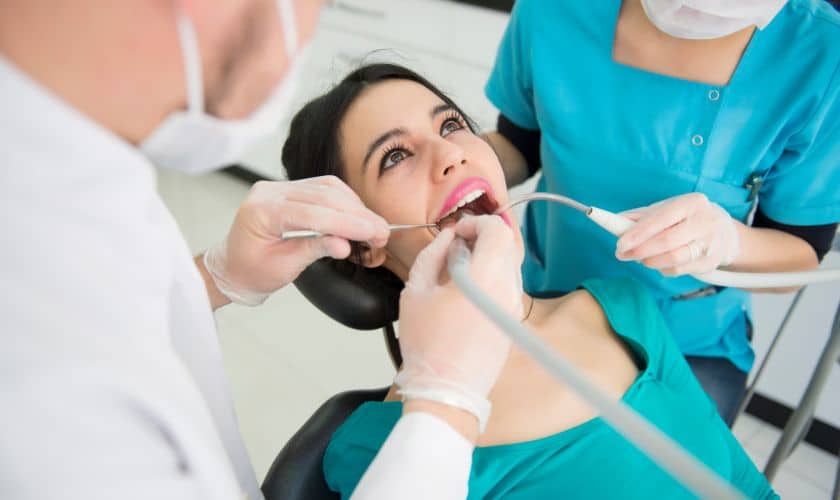
The field of oral surgery has come a long way in recent decades, with advancements in techniques, materials, and technologies that have revolutionized the way we approach dental procedures. As we look to the future, even more exciting developments are on the horizon, promising to enhance patient comfort, improve outcomes, and push the boundaries of what’s possible in oral healthcare. In this blog post, we’ll explore some of the emerging trends and technologies that are shaping the future of oral surgery.
Minimally Invasive Procedures:
One of the most significant trends in oral surgery is the shift toward minimally invasive procedures. Traditional surgical approaches often involve extensive incisions, prolonged recovery times, and increased risk of complications. However, with the advent of advanced technologies, oral surgeons can now perform complex procedures through smaller incisions, resulting in reduced trauma, faster healing, and improved cosmetic outcomes.
Techniques such as endoscopic surgery, which utilizes small cameras and specialized instruments, allow surgeons to operate with unprecedented precision and accuracy. Additionally, laser technologies are being utilized for various procedures, including the removal of lesions, gum contouring, and the treatment of sleep apnea, offering a minimally invasive alternative to traditional surgical methods.
3D Printing and Computer-Aided Design/Manufacturing (CAD/CAM)
The integration of 3D printing and CAD/CAM technologies into oral surgery has opened up new possibilities for personalized treatment planning and the creation of custom surgical guides, implants, and prosthetics. By using advanced software and 3D imaging techniques, oral surgeons can create highly accurate virtual models of a patient’s anatomy, allowing for precise surgical planning and the fabrication of patient-specific devices.
3D-printed surgical guides, for instance, can enhance the accuracy and efficiency of implant placement, reducing surgical time and minimizing potential complications. Additionally, custom-made implants and prosthetics can be designed and manufactured to perfectly match a patient’s unique anatomical features, improving fit, function, and aesthetics.
Regenerative Therapies
The field of regenerative medicine holds immense promise for the future of oral surgery. Researchers are exploring the use of stem cells, growth factors, and bioengineered scaffolds to regenerate and repair damaged tissues, such as bone and soft tissue defects.
In the realm of oral and maxillofacial surgery, regenerative therapies could potentially be used to treat conditions like periodontal disease, facial trauma, and congenital defects. By harnessing the body’s natural healing capabilities, these therapies aim to restore function and aesthetics in a more efficient and sustainable manner, reducing the need for invasive procedures and implants.
Virtual and Augmented Reality
The integration of virtual and augmented reality (VR/AR) technologies into oral surgery is poised to revolutionize surgical planning, training, and patient education. With VR, surgeons can immerse themselves in highly detailed, 3D representations of a patient’s anatomy, allowing for more comprehensive surgical planning and simulation of complex procedures.
Furthermore, VR can be used as a powerful training tool, enabling oral surgery residents and practitioners to practice intricate techniques in a risk-free, virtual environment before performing actual procedures on patients.
Augmented reality, on the other hand, can overlay virtual information onto the real-world surgical field, providing surgeons with real-time guidance and visual cues during procedures. This technology can enhance precision, reduce surgical time, and potentially improve patient outcomes.
Digital Workflow Integration:
As oral surgery continues to embrace digital technologies, the seamless integration of various digital workflows will become increasingly important. From intraoral scanning and 3D imaging to computer-aided design and 3D printing, each step in the treatment process generates valuable data that can be leveraged to optimize patient care.
The future of oral surgery lies in the seamless integration of these digital workflows, enabling efficient data sharing and collaboration among dental professionals. This integration will not only streamline the treatment process but also facilitate better communication with patients, enhancing their understanding and involvement in their oral healthcare journey.
Artificial Intelligence and Machine Learning
Artificial Intelligence (AI) and machine learning are rapidly permeating various aspects of healthcare, and oral surgery is no exception. These technologies have the potential to revolutionize diagnostic processes, treatment planning, and surgical decision-making.
AI algorithms can be trained to analyze vast amounts of patient data, medical images, and treatment outcomes, allowing for more accurate diagnoses and personalized treatment recommendations. Machine learning can also be applied to surgical planning, enabling the development of predictive models that can optimize surgical approaches based on individual patient characteristics and desired outcomes.
As the field of oral surgery continues to evolve, embracing these emerging trends and technologies will be crucial in providing patients with the highest standard of care. From minimally invasive procedures and regenerative therapies to virtual reality and AI-assisted decision-making, the future of oral surgery promises to be more precise, personalized, and technologically advanced than ever before.