Oral cancer is a significant public health concern, yet awareness about it remains relatively low compared to other types of cancer. Advocating for oral cancer awareness is crucial for early detection, prevention, and ultimately saving lives. In this blog, we’ll explore why oral cancer awareness matters and how you can make a difference in spreading knowledge and supporting those affected.
Why Oral Cancer Awareness Matters
Oral cancer refers to cancer that develops in the mouth or throat tissues, including the lips, tongue, gums, floor of the mouth, and tonsils. According to the American Cancer Society, an estimated 54,010 new cases of oral cavity and oropharyngeal cancers will be diagnosed in the United States in 2023 alone. Despite these alarming statistics, many people are unaware of the risk factors, signs, and symptoms of oral cancer.
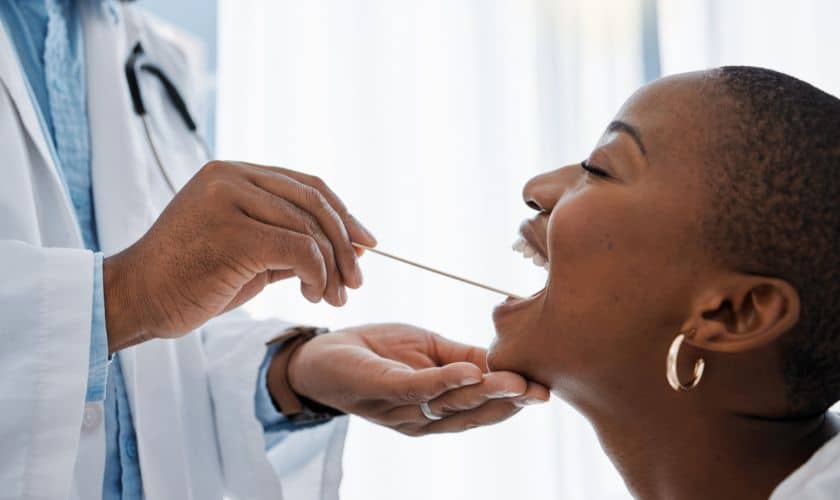
Early detection is key to improving oral cancer outcomes. When oral cancer is diagnosed at an early stage, treatment is more effective, and the chances of survival are significantly higher. However, late-stage diagnoses are more common, often leading to more extensive treatment and poorer prognosis. By raising awareness about oral cancer and promoting regular screenings, we can help detect the disease in its early stages and save lives.
How You Can Make a Difference
- Educate Yourself: Knowledge is power. Take the time to educate yourself about oral cancer, including its risk factors, signs, symptoms, and screening methods. Understanding the disease will enable you to advocate more effectively and educate others.
- Spread Awareness: Use your voice and platforms to raise awareness about oral cancer. Share informative posts on social media, write blogs, or organize community events to spread the word. The more people know about oral cancer, the more likely they are to recognize its signs and seek timely medical attention.
- Encourage Regular Screenings: Encourage your friends, family members, and colleagues to undergo regular oral cancer screenings, especially if they have risk factors such as tobacco or alcohol use, HPV infection, or a family history of oral cancer. Early detection through screenings can save lives.
- Promote Healthy Habits: Advocate for healthy lifestyle choices that can help reduce the risk of oral cancer. Encourage people to quit smoking, limit alcohol consumption, practice good oral hygiene, and get vaccinated against HPV. Small changes in lifestyle habits can have a significant impact on oral cancer prevention.
- Support Oral Cancer Organizations: Many organizations are dedicated to raising awareness, funding research, and providing support to individuals affected by oral cancer. Consider volunteering your time, donating funds, or participating in fundraising events to support these organizations’ efforts.
- Advocate for Policy Change: Advocate for policies that support oral cancer prevention and early detection initiatives. This may include advocating for increased funding for oral cancer research, supporting legislation to promote tobacco control measures, or lobbying for insurance coverage for oral cancer screenings.
- Share Personal Stories: Personal stories can be powerful tools for raising awareness and inspiring action. If you or someone you know has been affected by oral cancer, consider sharing your story to educate others about the importance of early detection, treatment, and support.
- Participate in Awareness Campaigns: Get involved in oral cancer awareness campaigns and events in your community or online. Whether it’s participating in a walk/run event, organizing a fundraising drive, or attending a seminar, your participation can help amplify the message of oral cancer awareness.
Conclusion
Advocating for oral cancer awareness is a collective effort that requires the participation of individuals, communities, healthcare professionals, and policymakers. By raising awareness, promoting early detection, and supporting those affected by oral cancer, we can make a meaningful difference in the fight against this disease. Together, let’s spread knowledge, save lives, and work towards a future where oral cancer is detected early and treated effectively.