
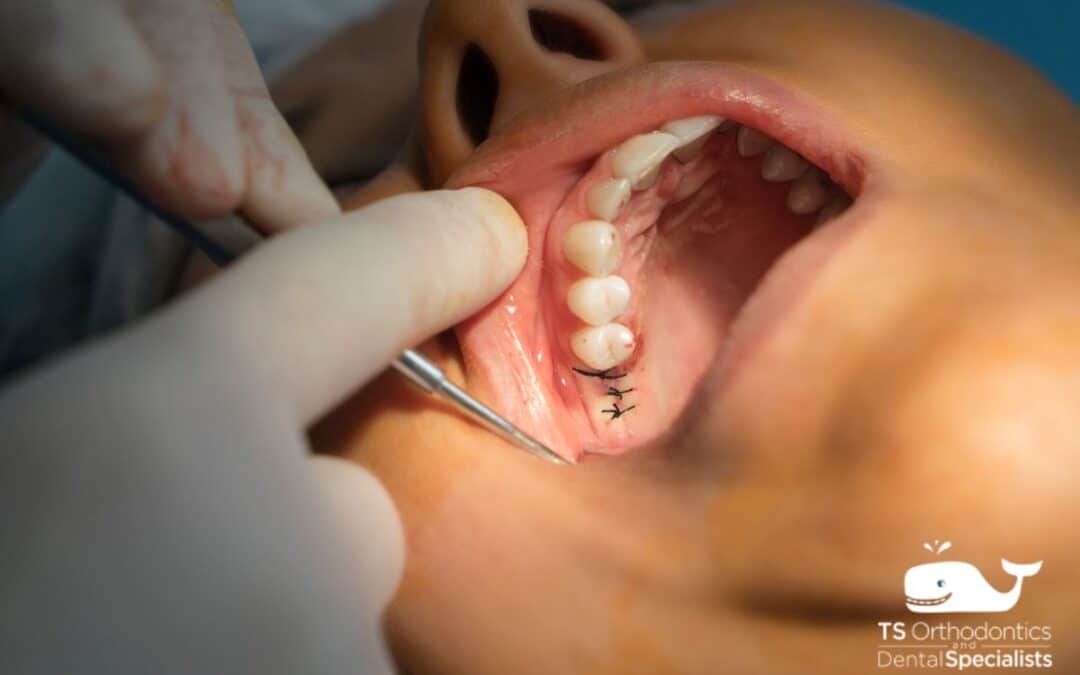
Oral surgery has undergone significant advancements in recent years, with new technologies revolutionizing the way procedures are performed. For residents of Asheville, understanding the benefits of these technological innovations can help you make informed decisions about your oral health. This guide explores how advanced technology enhances oral surgery, featuring insights from Asheville experts, and touches on how technologies like Invisalign Asheville integrate into comprehensive oral care.
1. The Evolution of Oral Surgery Technology
Oral surgery encompasses a range of procedures aimed at treating complex dental issues, including extractions, implants, and corrective surgeries. Advances in technology have made these procedures more precise, less invasive, and generally more comfortable for patients. Here’s how these innovations are transforming oral surgery:
Digital Imaging: Traditional X-rays have given way to digital imaging technologies, such as cone beam computed tomography (CBCT). This advanced imaging provides detailed 3D views of the teeth, jawbone, and surrounding structures. CBCT allows Asheville oral surgeons to plan procedures with greater accuracy, improving outcomes and reducing the risk of complications.
Laser Technology: Laser technology has become a valuable tool in oral surgery. Lasers can be used for soft tissue procedures, such as gum contouring and lesion removal, with minimal discomfort and faster recovery times. They offer precision and reduce bleeding, making procedures less invasive.
Robotic Surgery: While still relatively new, robotic-assisted surgery is gaining traction in oral surgery. Robots can enhance precision during complex procedures, such as dental implant placements. Asheville experts are exploring how robotic systems can further refine surgical techniques and improve patient outcomes.
2. Enhanced Precision and Accuracy
One of the most significant benefits of advanced technology in oral surgery is the enhanced precision it provides. Here’s how technology improves accuracy:
3D Imaging for Planning: Digital 3D imaging allows oral surgeons in Asheville to visualize the surgical site in detail before the procedure begins. This comprehensive view aids in precise planning and decision-making, ensuring that procedures like dental implant placements are executed with optimal accuracy.
Guided Surgery: With the help of computer-guided surgical templates, surgeons can perform procedures with a high degree of accuracy. These templates, created from digital scans, guide the surgeon’s instruments to the exact location needed. This technology minimizes the margin for error and improves the success rate of procedures.
Minimally Invasive Techniques: Advanced imaging and surgical tools enable minimally invasive techniques. By using smaller incisions and precise instruments, surgeons can perform complex procedures with less disruption to surrounding tissues. This approach leads to quicker recovery times and reduced post-operative discomfort.
Also Read: Maintaining Dental Health During the Invisalign Asheville Treatment
3. Improved Patient Comfort and Recovery
Advanced technology not only enhances precision but also significantly improves patient comfort and recovery. Here’s how:
Sedation Options: Modern sedation techniques, including intravenous (IV) sedation and nitrous oxide (laughing gas), are used to ensure patients are comfortable and relaxed during oral surgery. These methods are often guided by advanced monitoring equipment that tracks vital signs, enhancing safety throughout the procedure.
Reduced Discomfort: Laser technology and other minimally invasive techniques contribute to reduced discomfort during and after surgery. Lasers, for instance, cause less bleeding and swelling compared to traditional methods, which can lead to a more comfortable recovery period.
Faster Healing: The precision of advanced surgical techniques and technologies often results in less trauma to the surrounding tissues. This reduced trauma promotes faster healing and shorter recovery times, allowing patients to return to their normal activities more quickly.
4. Integration with Orthodontic Treatments
Advanced technology in oral surgery also complements orthodontic treatments, such as Invisalign. Here’s how:
Custom Treatment Planning: Invisalign uses 3D imaging and computer software to create custom aligners tailored to each patient’s needs. Advanced technology allows for precise mapping of tooth movements and adjustments, ensuring that the Invisalign treatment aligns with any planned oral surgeries.
Seamless Coordination: Oral surgeons and orthodontists can collaborate using digital records and imaging to plan combined treatments. For example, if a patient requires surgical correction of jaw alignment before starting Invisalign, digital tools facilitate seamless coordination between the surgical and orthodontic phases of treatment.
Predictable Outcomes: Technology enables accurate prediction of treatment outcomes. For patients undergoing both oral surgery and Invisalign, digital simulations and imaging help visualize the end result, providing a clear picture of how the combined treatments will enhance oral health and aesthetics.
6. The Future of Oral Surgery Technology
The future of oral surgery technology holds promise for even more advancements. Here’s what to expect:
Artificial Intelligence (AI): AI is expected to play a growing role in oral surgery by assisting with diagnosis, treatment planning, and even robotic surgery. AI algorithms can analyze vast amounts of data to provide insights and recommendations, further enhancing precision and efficiency.
Regenerative Medicine: Research into regenerative medicine and tissue engineering may lead to new technologies for repairing or regenerating oral tissues. This could revolutionize treatments for conditions like gum disease and bone loss, offering patients new options for oral health.
Telemedicine: Telemedicine is likely to expand its role in oral surgery, allowing for remote consultations, follow-up care, and patient monitoring. This technology can improve access to care and provide convenience for patients.
More to Read: 5 Common Oral Surgery Procedures in Asheville and How They Can Improve Your Health
Conclusion
The benefits of advanced technology in oral surgery are substantial, offering enhanced precision, improved patient comfort, and faster recovery times. For residents of Asheville, staying informed about these advancements can help you make the best choices for your oral health. Technologies such as digital imaging, lasers, and robotic-assisted surgery are transforming the field, making complex procedures safer and more effective. Integrating these advancements with orthodontic treatments like Invisalign further enhances the overall patient experience.
By understanding and embracing these technological innovations, you can benefit from a higher standard of care and achieve optimal outcomes for your oral health. Whether you’re considering oral surgery or orthodontic treatments, the insights from Asheville experts highlight the positive impact of these advancements on your treatment journey.