When it comes to your child’s dental health, timing is everything. While most parents are familiar with regular dental checkups, many aren’t sure about the right time to bring their child to a pediatric orthodontist. The early years of a child’s life are crucial for setting the foundation for long-term oral health, and seeing a pediatric orthodontist at the right time can help prevent more serious problems down the road.
In this blog, we’ll dive into the best age to visit a pediatric orthodontist, why early visits are important, and how they can make a world of difference for your child’s smile.
Why Early Visits Matter
The American Dental Association (ADA) recommends that children have their first orthodontic consultation by age 7. At this stage, most kids have a mix of primary (baby) teeth and permanent teeth. This is the perfect time for an orthodontist to assess their dental development, identify potential issues, and plan any necessary treatments early on. The goal of this initial visit is to detect problems before they become serious and to ensure your child’s teeth and jaw are developing properly.
What to Expect During the First Visit
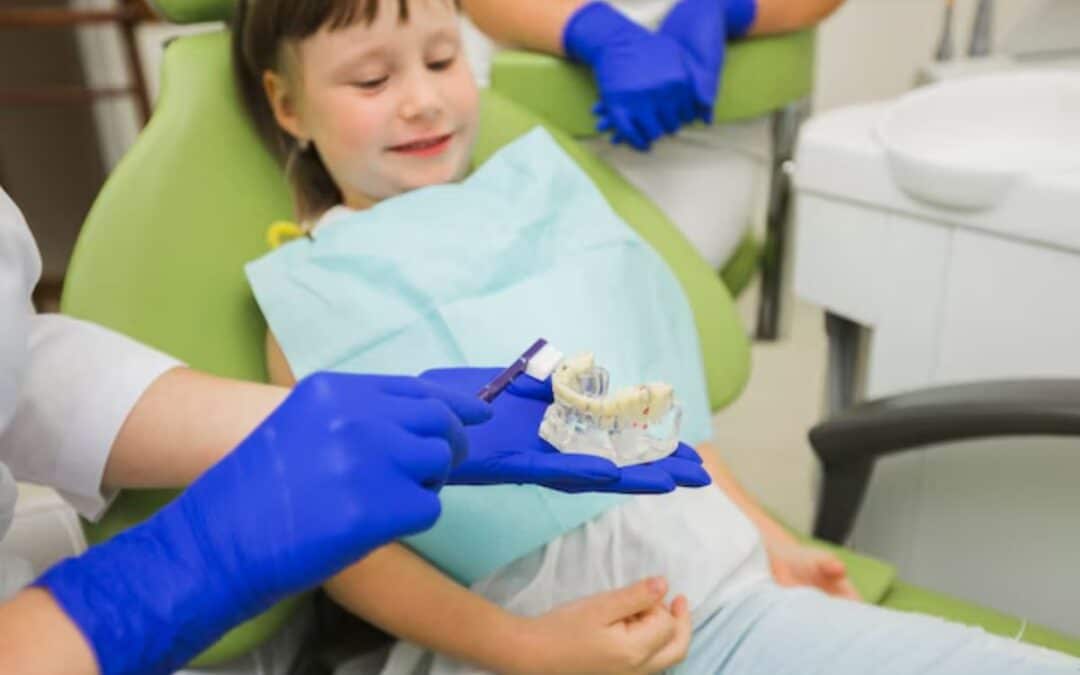
When you schedule an appointment with a pediatric orthodontist in Asheville, it’s important to remember that the first visit is typically a consultation. During this visit, the orthodontist will:
- Examine your child’s teeth and bite: The orthodontist will look at the alignment of your child’s teeth, jaw, and bite. They may also take x-rays to get a more detailed view of your child’s oral structure.
- Evaluate growth and development: Since children’s teeth and jaws are still developing, an orthodontist will be able to track growth patterns and spot any abnormalities that may cause issues later on.
- Discuss potential treatments: If your child has any developing issues, such as overcrowding, misaligned teeth, or bite problems, the orthodontist will discuss treatment options. In some cases, early intervention like braces or space maintainers may be recommended.
Early Intervention: Is It Always Necessary?
While not all kids will need early orthodontic treatment, many benefit from it. Early intervention can be especially helpful in the following cases:
- Overcrowded or misaligned teeth: If a child’s permanent teeth are coming in crooked, early treatment can help guide them into the correct position.
- Jaw misalignment: If your child has an overbite, underbite, or crossbite, addressing these issues early can prevent more complex treatments later.
- Speech or chewing problems: Severe alignment problems can affect a child’s ability to speak clearly or chew food properly. Correcting these issues early on can make a big difference in their overall health and self-esteem.
In some cases, the orthodontist might not recommend treatment right away. Instead, they may suggest regular monitoring to ensure that any potential issues are addressed at the right time. This approach helps avoid unnecessary treatments and allows the orthodontist to take advantage of your child’s growth patterns.
Common Treatments in Early Orthodontic Care
If your child does need treatment early, there are a few options the pediatric orthodontist in Asheville may consider:
- Braces: While many kids wait until their teenage years to get braces, some children benefit from having them earlier. Braces can help align teeth and jaw growth, making it easier to correct any issues.
- Space maintainers: These are used when a child loses a baby tooth too early, and the permanent tooth hasn’t emerged yet. Space maintainers keep the spot open until the adult tooth is ready to come in.
- Expansion appliances: If your child’s upper jaw is too narrow, a palate expander can widen the jaw to make room for the permanent teeth.
- Headgear: While not as common today, headgear may be used to correct severe bite problems by adjusting the growth of the upper jaw.
How to Know If Your Child Needs to See a Pediatric Orthodontist
There are a few signs that may indicate your child should visit an orthodontist, even before they turn 7. If you notice any of the following, it’s a good idea to schedule an appointment:
- Difficulty chewing or biting food
- Early or late loss of baby teeth
- Thumb-sucking or other oral habits that could affect tooth development
- Teeth that are overcrowded, spaced too far apart, or coming in crooked
- Noticeable bite problems, such as the top teeth sticking out too far or the bottom teeth being too far forward
By addressing these issues early, you can avoid more extensive treatments in the future and help your child develop a healthy, beautiful smile.
Conclusion
Visiting a pediatric orthodontist by age 7 is a crucial step in ensuring that your child’s teeth and jaw develop properly. Early assessments and intervention can help detect potential problems, guide growth, and set your child on the path to a lifetime of healthy teeth. Whether it’s braces, space maintainers, or simple monitoring, early visits can make a big difference in the long run.
If you think it’s time for your child to see a pediatric orthodontist, don’t wait—schedule an appointment today! Your child’s smile and health are worth it.