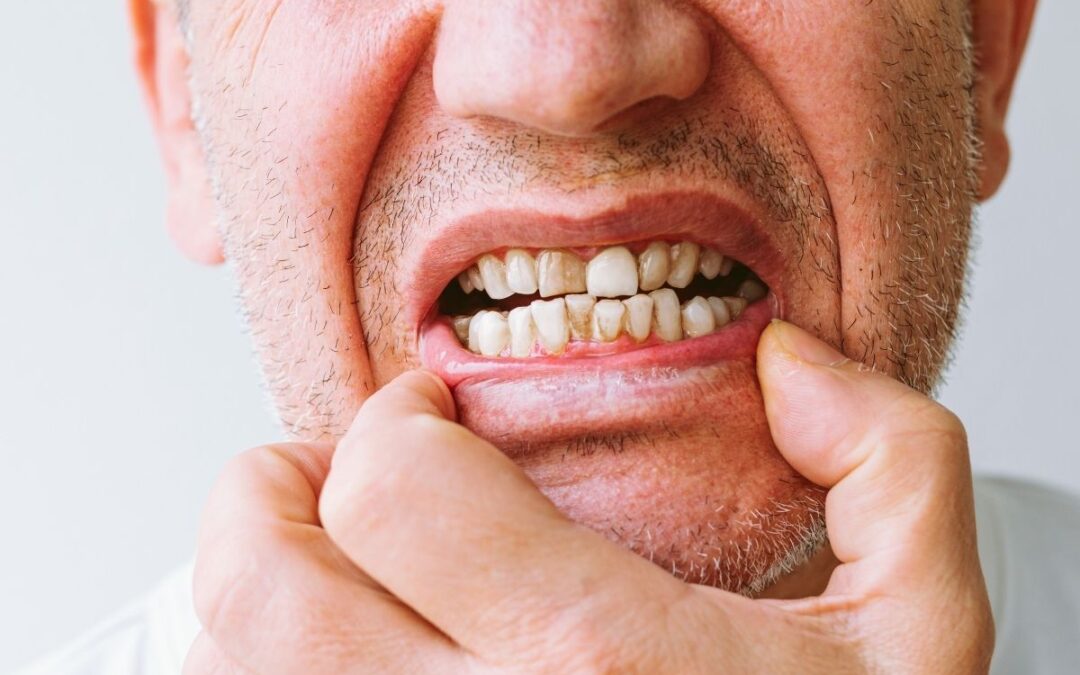
Tooth wear is often associated with factors like grinding, diet, or aging. However, one often-overlooked factor is how teeth are aligned. The way teeth come together during everyday activities such as chewing and speaking can directly influence how enamel wears over time.
When teeth are not properly aligned, the forces applied during normal function are not distributed evenly. This imbalance can gradually lead to visible and functional changes in the teeth, even in the absence of other common causes.
Misalignment can place excessive pressure on certain teeth, increasing the likelihood of enamel breakdown. Over time, this may result in sensitivity, uneven edges, or changes in the overall structure of the bite.
How Misaligned Teeth Lead to Tooth Wear
To understand the connection, it is important to look at how bite mechanics work.
Uneven Force Distribution
When teeth are aligned correctly, biting forces are shared evenly. Misaligned teeth disrupt this balance, causing certain teeth to absorb more pressure than others.
Irregular Contact Between Teeth
Teeth that do not fit together properly may rub against each other in unintended ways. This repeated friction can accelerate enamel wear.
Strain During Chewing
Improper alignment can affect chewing efficiency, placing additional stress on specific areas rather than distributing force naturally.
Compounding Effects Over Time
Even minor alignment issues can lead to gradual wear. These changes often develop slowly, making them easy to overlook in early stages.
Signs of Tooth Wear Related to Alignment
Tooth wear linked to misalignment may not always be immediately obvious. Some common indicators include:
- Flattened or worn-down tooth edges
- Increased tooth sensitivity
- Small chips or surface irregularities
- Uneven tooth length
- Discomfort when biting or chewing
Recognizing these signs early can help prevent further progression.
The Role of Orthodontic Treatment
Correcting alignment can help reduce the uneven forces that contribute to tooth wear. By improving how teeth come together, orthodontic treatment supports more balanced function.
Common approaches include:
- Braces, which gradually reposition teeth using brackets and wires
- Clear aligners, which use a series of removable trays to guide movement
The choice of treatment depends on the specific alignment concerns and overall goals.
About TS Orthodontics
At TS Orthodontics, we provide orthodontic care focused on improving alignment and bite function across different stages of life. Our team offers a range of treatment options, including braces and clear aligners, to address concerns such as spacing, crowding, and bite irregularities.
We serve communities through four convenient locations: Asheville, North Asheville, Marion, and Rutherfordton. To make care more accessible, we also offer virtual consultations, allowing you to begin with an initial discussion before visiting an office.
You can contact the location closest to you to learn more or schedule a consultation:
- Asheville: 828-270-7638
- North Asheville: 828-248-0582
- Marion: 828-408-0458
- Rutherfordton: 828-276-8479
Our team will guide you through the next steps and help you get started with a plan that fits your needs.
Additional Benefits of Correcting Misalignment
Beyond reducing the risk of tooth wear, properly aligned teeth can support better oral health in several ways:
- Easier brushing and flossing due to improved spacing
- Reduced strain on the jaw and surrounding structures
- More balanced bite function
- Improved overall dental stability
When to Consider an Evaluation
An orthodontic evaluation may be helpful if there are signs of uneven wear or concerns about how teeth come together. Early assessment allows for a clearer understanding of whether alignment is contributing to the issue.
A structured evaluation typically includes:
- Examination of bite alignment
- Assessment of tooth wear patterns
- Review of functional habits
- Discussion of appropriate options if needed
If you have noticed signs of tooth wear or have questions about how alignment may be affecting your teeth, our office can help you better understand your options.
With convenient locations in Asheville, North Asheville, Marion, and Rutherfordton, our team is available to provide guidance based on your individual needs and concerns.
Conclusion
Misaligned teeth can contribute to tooth wear by creating uneven pressure and irregular contact during everyday use. While the effects may develop gradually, they can impact both the function and condition of teeth over time.
Understanding the role of alignment in tooth wear allows for more informed decisions about care. Addressing these concerns early can help support better outcomes and maintain the integrity of your smile.