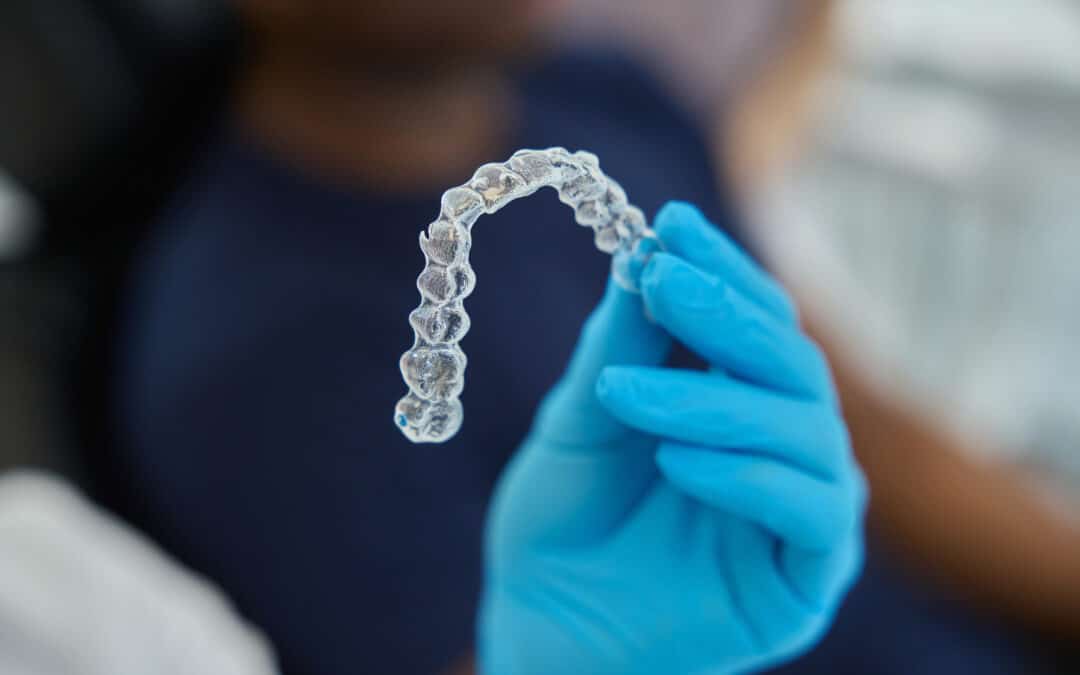
Invisalign is a popular way to straighten teeth without traditional metal braces. However, some patients notice unexpected changes during treatment, such as tooth sensitivity, gum discomfort, or teeth that seem to be moving in the wrong direction. These changes can be concerning, especially when you’re investing time and money in your smile.
The good news is that not every uncomfortable feeling means something is wrong. Some changes are a normal part of orthodontic treatment, while others may need attention from your orthodontist.
If you’re using Invisalign in Asheville or anywhere in North Carolina, understanding the warning signs can help you protect your teeth and keep your treatment on track.
Here are five signs to watch for and what you should do if you experience them.
1. Your Teeth Feel Loose or Unusually Sensitive
Mild pressure and temporary sensitivity are common when starting a new set of aligners. Your teeth need to move gradually into their planned positions, which can cause some discomfort.
However, if your teeth feel excessively loose, painful, or unusually sensitive for an extended period, you should contact your orthodontist.
What could be causing it?
-
Normal tooth movement during treatment
-
Excessive pressure from an ill-fitting aligner
-
Existing dental problems, such as gum disease
-
An aligner that isn’t tracking properly
A little pressure is expected, but severe or persistent discomfort shouldn’t be ignored.
2. Your Gums Are Swollen, Bleeding, or Receding
Healthy gums are essential for successful orthodontic treatment. If you notice persistent swelling, bleeding, or changes in your gumline, it’s worth getting checked.
Poor oral hygiene can allow plaque to build up around your teeth. Wearing aligners over teeth that haven’t been cleaned properly can make it harder to maintain good oral health.
Watch for these symptoms:
-
Gums that bleed when brushing or flossing
-
Redness or swelling around the teeth
-
Gum recession or teeth that appear longer
-
Persistent gum tenderness
These symptoms may indicate gum inflammation or another dental issue. Your orthodontist or dentist can help identify the cause and recommend appropriate care.
3. Your Teeth Don’t Seem to Fit Together Properly
As your teeth move, your bite may feel different. Some temporary changes are expected during treatment. However, if your upper and lower teeth suddenly stop fitting together comfortably, it may be a sign that your aligners aren’t tracking as planned.
You might notice:
-
Your front teeth no longer touch as they used to.
-
Your back teeth don’t meet properly when you bite.
-
Chewing feels uncomfortable.
-
Your bite seems uneven.
Don’t try to force your teeth into position or switch aligners ahead of schedule. Contact your orthodontist so they can assess your bite and determine whether your treatment needs adjustment.
4. You Notice New Gaps or Your Teeth Look More Crooked
One of the most frustrating experiences during orthodontic treatment is noticing that your teeth appear more crooked or that new gaps have developed.
Sometimes, teeth temporarily look different as they move through planned stages. However, new gaps, unexpected shifting, or aligners that no longer fit properly may indicate a problem with treatment progress.
Possible reasons include:
-
Not wearing your aligners for the recommended number of hours.
-
Moving to the next tray before your teeth are ready.
-
Poor aligner fit or unexpected tooth movement.
-
A treatment plan that needs adjustment.
If you notice these changes, don’t attempt to correct them yourself. Your orthodontist can check whether your teeth are following the planned movements and decide if a revised treatment plan is necessary.
5. You Experience Persistent Pain or Jaw Discomfort
Some pressure is normal when you begin wearing a new set of trays. However, ongoing or worsening pain is not something you should simply tolerate.
Pay attention if you experience:
-
Sharp or persistent tooth pain.
-
Jaw soreness that doesn’t improve.
-
Pain when chewing or biting.
-
Aligners that cause cuts or irritation inside your mouth.
These symptoms can have several causes, including an ill-fitting tray, excessive pressure, or an unrelated dental problem. A professional examination can help identify the issue.
If you experience severe pain, swelling, or a sudden change in your bite, contact your dentist or orthodontist promptly.
What Should You Do If You Notice These Warning Signs?
If you notice any unexpected changes, take the following steps:
-
Don’t force your aligners: Avoid pushing a tray into place if it doesn’t fit properly.
-
Contact your orthodontist: Explain your symptoms and when they started.
-
Maintain good oral hygiene: Brush and floss regularly, and clean your trays as directed.
-
Follow professional instructions: Don’t skip trays, change your treatment schedule, or stop treatment without advice.
-
Attend follow-up appointments: Regular checkups help your orthodontist monitor your progress.
The U.S. Food and Drug Administration (FDA) advises patients to seek professional evaluation if they experience new or worsening pain, bite problems, or unexpected tooth movement during clear aligner treatment.
Normal Changes vs. Warning Signs
|
What you notice |
Could be normal? |
When to seek help |
|---|---|---|
|
Mild pressure with a new tray |
Yes |
If severe or persistent |
|
Temporary tooth sensitivity |
Sometimes |
If it worsens or continues |
|
Slight changes in your bite |
Sometimes |
If chewing becomes difficult |
|
Bleeding or swollen gums |
Not something to ignore |
Contact your dentist |
|
New gaps or unexpected movement |
Needs assessment |
Contact your orthodontist |
|
Severe or worsening pain |
No |
Seek prompt dental advice |
Can Invisalign Actually Damage Your Teeth?
Clear aligners are designed to move teeth gradually under professional supervision. They do not automatically damage teeth. However, poorly planned treatment, inadequate monitoring, existing gum problems, or improper use can increase the risk of complications.
The FDA identifies possible problems associated with unsupervised aligner use, including pain, bite changes, and unintended tooth movement. Regular professional checkups help detect problems and allow treatment adjustments when needed.
The key is to follow your orthodontist’s instructions, maintain good oral hygiene, and report unusual symptoms early.
Frequently Asked Questions
1. Can clear aligners make your teeth worse?
They can contribute to problems if treatment is poorly planned, not monitored, or not followed correctly. However, properly prescribed and supervised treatment is designed to move teeth safely.
2. Is it normal for teeth to feel loose during treatment?
Some temporary mobility can occur as teeth move. However, significant looseness or persistent discomfort should be evaluated by your orthodontist.
3. What should I do if my aligners no longer fit?
Don’t force them into place or move ahead to another tray without guidance. Contact your orthodontist to check whether your teeth are tracking correctly.
4. Can wearing aligners cause gum problems?
Poor oral hygiene while wearing aligners can contribute to plaque buildup and gum inflammation. Brush and floss regularly, clean your aligners, and contact your dentist if you notice bleeding or swelling.
5. When should I contact my orthodontist about pain?
Contact your orthodontist if pain is severe, persistent, or worsening, or if you experience a sudden bite change. Seek prompt dental care for significant swelling or other serious symptoms.
How We Can Help
If you’re concerned about unexpected changes during treatment, the team at TS Orthodontics can evaluate your teeth, check your bite, and help determine whether your treatment is progressing as planned.
Led by Dr. Tim Scanlan, TS Orthodontics provides orthodontic care for children, teens, and adults. Patients can discuss their concerns, treatment options, and the next steps for maintaining a healthy smile.
Whether you’re starting treatment or already wearing aligners, regular professional guidance can help you address problems early.
At TS Orthodontics, patients from Asheville, North Asheville, Marion, Rutherfordton, and surrounding Western North Carolina communities receive customized Invisalign treatment designed around their individual smile goals.
Visit TS Orthodontics Near You
Whether you’re looking for Invisalign treatment for yourself or a family member, TS Orthodontics proudly serves patients across Western North Carolina. Visit the location that’s most convenient for you:
| Office Location | Phone Number |
| Asheville, NC | (828) 270-7638 |
| North Asheville, NC | (828) 248-0582 |
| Marion, NC | (828) 408-0458 |
| Rutherfordton, NC | (828) 276-8479 |