Every parent wants their child to have a healthy, confident smile. But did you know that some orthodontic problems can develop before all of your child’s permanent teeth have even come in? Crooked teeth, difficulty chewing, and jaw discomfort may be signs that your child needs an orthodontic evaluation.
Knowing when to visit a kids’ orthodontist can help parents recognize potential problems early. While not every child needs braces, identifying certain warning signs can help you understand when professional guidance may be beneficial.
At TS Orthodontics, families in Asheville and surrounding North Carolina communities can explore orthodontic care tailored to their children’s growing smiles. Here are seven signs parents should watch for.
1. Crooked or Crowded Teeth
One of the most noticeable signs that your child may need braces is crooked or crowded teeth. When there isn’t enough room in the jaw for permanent teeth to grow properly, teeth may overlap, twist, or become misaligned.
Crowded teeth can make brushing and flossing more difficult because food and plaque can collect in hard-to-reach areas. Over time, this may increase the risk of tooth decay and gum problems.
A kids’ orthodontist can examine your child’s teeth and determine whether treatment is necessary. Depending on your child’s age and dental development, the orthodontist may recommend monitoring or braces.
2. Difficulty Biting or Chewing Food
Does your child struggle to bite into an apple, chew meat, or eat other everyday foods? Difficulty chewing may sometimes be related to how the upper and lower teeth fit together.
An uneven bite can cause certain teeth to meet incorrectly. In some cases, children may also experience discomfort when chewing.
If you notice your child consistently avoiding certain foods or complaining about difficulty biting, consider scheduling an orthodontic evaluation. A kids’ orthodontist can assess the bite and explain whether orthodontic treatment may help.
3. Early or Late Loss of Baby Teeth
Baby teeth play an important role in guiding permanent teeth into their proper positions. Losing baby teeth much earlier or later than expected can sometimes affect how permanent teeth develop.
For example, losing a baby tooth too early may allow nearby teeth to shift into the empty space. This can reduce the room available for a permanent tooth to emerge.
Although variations in tooth development are common, unusual timing is worth discussing with your child’s dentist or orthodontist. Regular dental checkups can help identify potential concerns before they become more complicated.
4. Teeth That Stick Out or Don’t Meet Properly
If your child’s upper front teeth extend noticeably over the lower teeth, they may have an overbite. Alternatively, if the lower teeth extend beyond the upper teeth, your child may have an underbite.
Other children may have an open bite, where the front teeth don’t touch when the back teeth are together.
These bite problems can sometimes affect chewing, speech, or the way teeth wear down. Protruding front teeth may also be more vulnerable to accidental injury during sports or play.
A kids’ orthodontist can evaluate your child’s bite and explain whether braces or another treatment option may be appropriate.
5. Mouth Breathing or Persistent Jaw Discomfort
Does your child frequently breathe through their mouth, even when they aren’t sick? Do they complain about jaw discomfort or experience clicking when opening their mouth?
These symptoms can have several possible causes. Mouth breathing, for example, may be associated with allergies, nasal congestion, or other airway concerns. Jaw clicking can also occur for reasons unrelated to tooth alignment.
Although these symptoms don’t automatically mean your child needs braces, they are worth discussing with a healthcare professional. An orthodontic evaluation may help identify whether your child’s bite or jaw development is contributing to the problem.
6. Difficulty Speaking Clearly
Some children experience speech difficulties while their teeth and jaws are developing. Certain bite problems, including an open bite, may affect how the tongue moves when producing particular sounds.
For example, your child may struggle with sounds such as “s” or “z.” However, speech difficulties can also be related to normal development or other factors.
If you notice persistent speech concerns, consult your child’s pediatrician or a speech-language pathologist. An orthodontist can also assess whether tooth alignment may be playing a role.
7. Your Child Hides Their Smile
Sometimes, the most noticeable sign isn’t physical. Your child may cover their mouth when laughing, avoid smiling in photographs, or feel uncomfortable about the appearance of their teeth.
Although appearance alone doesn’t mean braces are medically necessary, your child’s confidence and feelings about their smile are important.
A supportive orthodontic consultation can help you understand the available options. Whether your child needs treatment now or simply requires monitoring, getting professional advice can give your family more clarity.
When Should Your Child First Visit an Orthodontist?
The American Association of Orthodontists recommends that children have their first orthodontic checkup by age 7. At this age, children usually have a combination of baby teeth and permanent teeth, allowing an orthodontist to identify certain developing problems.
An early visit doesn’t necessarily mean your child will need braces right away. Some children benefit from early treatment, while others only need periodic monitoring until more permanent teeth come in.
If you’re unsure whether your child needs an evaluation, a kids’ orthodontist can help you understand their dental development and discuss the next steps.
Common Orthodontic Treatment Options for Children
| Treatment | What it does |
|---|---|
| Traditional braces | Gradually move teeth into better alignment. |
| Early orthodontic treatment | Addresses certain developing bite or jaw problems. |
| Space maintainers | Help preserve space when baby teeth are lost prematurely. |
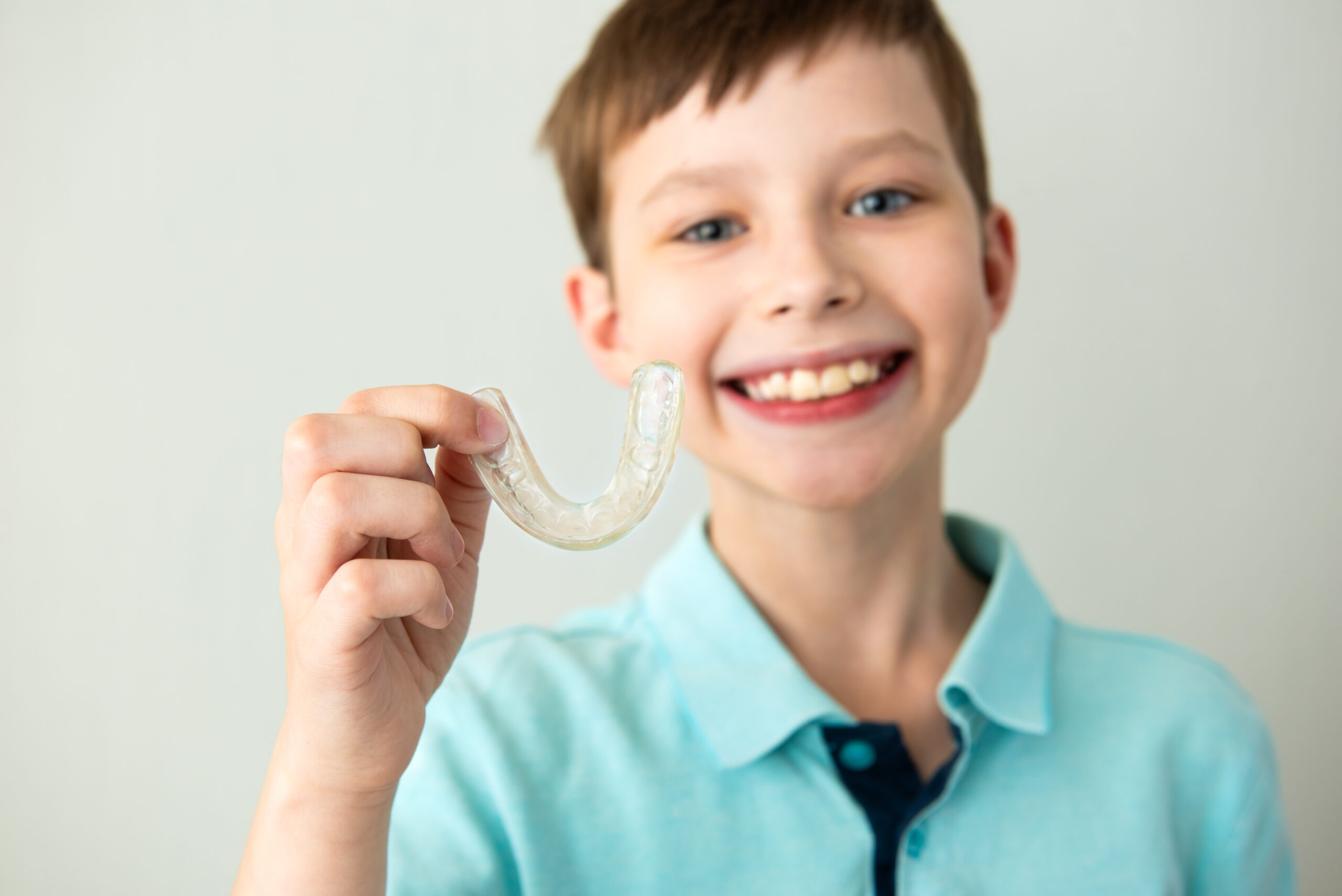
| Clear aligners | May be suitable for some children with appropriate dental development. |
| Observation and monitoring | Tracks tooth and jaw development when immediate treatment isn’t needed. |
The right option depends on your child’s age, dental development, and specific orthodontic needs.
How TS Orthodontics Can Help Your Child
At TS Orthodontics, we understand that every child’s smile develops differently. An orthodontic consultation can help parents understand their child’s dental growth and whether treatment may be beneficial.
Dr. Tim Scanlan and the TS Orthodontics team provide orthodontic care for families in Asheville, North Asheville, Marion, and Rutherfordton, North Carolina.
If you’ve noticed any of these warning signs, consider scheduling an appointment to discuss your child’s smile and potential treatment options.
Frequently Asked Questions
1. What age should a child get braces?
There isn’t one specific age when every child should get braces. Some children may benefit from early treatment around ages 7–10, while others may not need braces until their permanent teeth have come in. An orthodontic evaluation can help determine the appropriate timing.
2. Does every child with crooked teeth need braces?
No. Mildly crooked teeth don’t always require treatment. An orthodontist will consider the severity of the misalignment, your child’s bite, dental development, and overall oral health before recommending braces.
3. Can my child get braces while still having baby teeth?
Yes. Some children can benefit from early orthodontic treatment while they still have baby teeth. However, many children don’t need braces until more permanent teeth have erupted.
4. What happens if my child doesn’t get braces?
It depends on the type and severity of the orthodontic problem. Some alignment issues may remain mild, while others can contribute to difficulties with cleaning, chewing, or tooth wear. An orthodontist can explain the potential consequences of leaving your child’s specific condition untreated.
5. How do I know if my child needs an orthodontist?
Look for signs such as crowded teeth, an uneven bite, difficulty chewing, unusually timed tooth loss, or persistent concerns about tooth alignment. The American Association of Orthodontists recommends an initial evaluation by age 7, even if no obvious problems are present.
Give Your Child a Healthy Start With Us
Your child’s smile is still developing, and recognizing potential orthodontic problems can help you make informed decisions about their dental care. From crowded teeth to bite problems, an early evaluation can provide valuable guidance.
At TS Orthodontics, patients from Asheville, North Asheville, Marion, Rutherfordton, and surrounding Western North Carolina communities receive customized treatment designed around their individual smile goals.
Visit TS Orthodontics Near You
Whether you’re looking for any orthodontic treatment for yourself or a family member, TS Orthodontics proudly serves patients across Western North Carolina. Visit the location that’s most convenient for you:
| Office Location | Phone Number |
| Asheville, NC | (828) 270-7638 |
| North Asheville, NC | (828) 248-0582 |
| Marion, NC | (828) 408-0458 |
| Rutherfordton, NC | (828) 276-8479 |