Finishing braces or clear aligner treatment is an exciting step, but orthodontic care does not fully end once the teeth are straightened. Retainers play an important role in helping teeth stay in their new positions after treatment is complete. Without proper retainer use and maintenance, teeth may gradually begin shifting over time.
Many people assume retainers last forever, but like most dental appliances, they can wear down, loosen, crack, or stop fitting properly as the years go by. Understanding when retainers may need replacement and what signs to watch for can help protect the results achieved during orthodontic treatment.
At TS Orthodontics, Dr. Scanlan and the team provide orthodontic care for families across Asheville, North Asheville, Marion, and Rutherfordton. With offices in all four communities, the team helps children, teens, and adults continue maintaining their smiles after braces or clear aligner treatment through ongoing retainer evaluations and follow-up care.
Why Retainers Are Important After Orthodontic Treatment
Teeth naturally tend to shift throughout life. Even after successful orthodontic treatment, the surrounding bone and tissues need time to stabilize around the new tooth positions.
Retainers help:
- Maintain tooth alignment
- Reduce unwanted shifting
- Support bite stability
- Protect orthodontic treatment results
- Help teeth settle properly after treatment
Without consistent retainer wear, teeth may gradually move back toward their previous positions.
Do Retainers Eventually Need Replacement?
Yes.
Most retainers do not last permanently and may eventually require replacement because of normal wear, damage, or changes in fit.
How long a retainer lasts depends on several factors, including:
- The type of retainer
- Daily wear habits
- Cleaning routine
- Teeth grinding or clenching
- Accidental damage
- Natural wear over time
Some retainers may last for years with proper care, while others may need replacement sooner, depending on usage and condition.
Common Signs a Retainer May Need Replacement
Retainers that no longer fit properly may not hold teeth in position effectively.
Signs a retainer may need professional evaluation include:
- Cracks or visible damage
- Loose fit
- Tightness that suddenly develops
- Warping or bending
- Difficulty seating properly
- Sharp or rough edges
- Persistent odor or discoloration
- Teeth beginning to shift
Even small changes in fit can sometimes indicate that the appliance is no longer functioning properly.
Can an Old Retainer Cause Teeth to Shift?
Potentially, yes.
A worn or poorly fitting retainer may not apply the proper support needed to maintain tooth position. If the retainer becomes damaged or stops fitting correctly, teeth may gradually begin shifting without immediately noticeable symptoms.
Some people first notice:
- Small gaps returning
- Crowding developing again
- Bite changes
- Difficulty fitting the retainer comfortably
Regular retainer checks help identify these issues before more noticeable movement occurs.
How Often Should Retainers Be Checked?
Even after orthodontic treatment is completed, periodic evaluations may still be beneficial.
Retainer evaluations allow the orthodontic team to assess:
- Appliance condition
- Fit and stability
- Signs of wear
- Tooth movement
- Bite alignment changes
At TS Orthodontics, Dr. Scanlan and the team help individuals throughout Asheville, North Asheville, Marion, and Rutherfordton monitor retainer fit and determine when replacement may help maintain treatment results more effectively.
Different Types of Retainers and Their Lifespan
Retainers vary in design and durability.
Clear Plastic Retainers
Clear retainers are popular because they are discreet and removable. However, they may gradually wear down, crack, or warp over time.
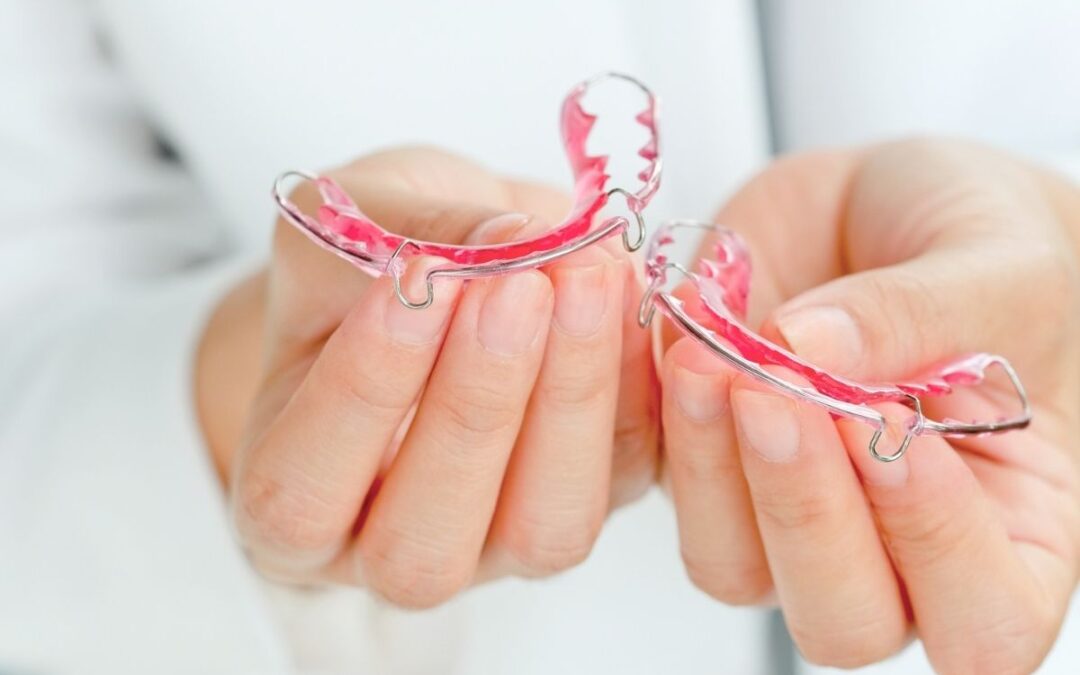
Hawley Retainers
Traditional Hawley retainers use acrylic and metal wires. These may sometimes last longer but can still require adjustments or replacement as the appliance ages.
Permanent Bonded Retainers
Fixed retainers are attached behind the teeth and remain in place continuously. Although they are not removable, bonding material or wires may occasionally loosen or break.
Each retainer type benefits from regular monitoring and proper maintenance.
What Causes Retainers to Wear Out Faster?
Several habits may shorten retainer lifespan.
Common causes include:
- Teeth grinding
- Chewing on the retainer
- Exposure to heat
- Inconsistent cleaning
- Dropping the appliance
- Storing retainers improperly
- Wearing damaged retainers too long
Hot water, napkins, pockets, and hard surfaces are common reasons removable retainers become warped or damaged accidentally.
How to Help Retainers Last Longer
Good maintenance habits may help extend the life of a retainer.
Helpful care tips include:
- Clean retainers regularly using recommended methods
- Store them in a protective case
- Keep them away from heat
- Avoid chewing on them
- Bring retainers to follow-up appointments
- Replace damaged retainers promptly
Proper care not only protects the appliance but also helps preserve orthodontic treatment results.
What Happens If a Retainer No Longer Fits?
A retainer that suddenly feels tight or does not fit properly may indicate that tooth movement has already started occurring.
Avoid forcing the retainer into place if:
- It causes pain
- It does not sit completely
- It feels significantly different than before
Continuing to wear an ill-fitting retainer without evaluation may damage the appliance or place uneven pressure on teeth.
Can Replacement Retainers Be Made Years After Treatment?
In many cases, yes.
Even if orthodontic treatment was completed years earlier, replacement retainers may still be possible depending on current tooth alignment and retainer condition.
An updated evaluation may help determine:
- Whether teeth have shifted
- Which type of retainer is appropriate
- If additional treatment may be beneficial before replacement
When to Contact an Orthodontic Office About Retainers
If your retainer feels loose, damaged, uncomfortable, or no longer fits properly, it is best to have it evaluated before teeth begin shifting further.
Dr. Scanlan and the team at TS Orthodontics provide retainer evaluations and post-treatment orthodontic care for families across Asheville, North Asheville, Marion, and Rutherfordton. With offices conveniently located throughout the region, the team helps individuals maintain their orthodontic results through personalized follow-up care and replacement retainer solutions when needed. To schedule an appointment or speak with our team, call our Asheville office at 828-270-7638, North Asheville office at 828-248-0582, Marion office at 828-408-0458, or Rutherfordton office at 828-276-8479.
Why Retainer Maintenance Continues to Matter After Treatment
Orthodontic treatment does not fully end the day braces or aligners come off. Retainers remain an important part of protecting tooth alignment and helping smiles stay stable over time.
Recognizing signs of wear, fit changes, or damage early can help prevent unwanted tooth movement and support the results achieved throughout orthodontic treatment.