
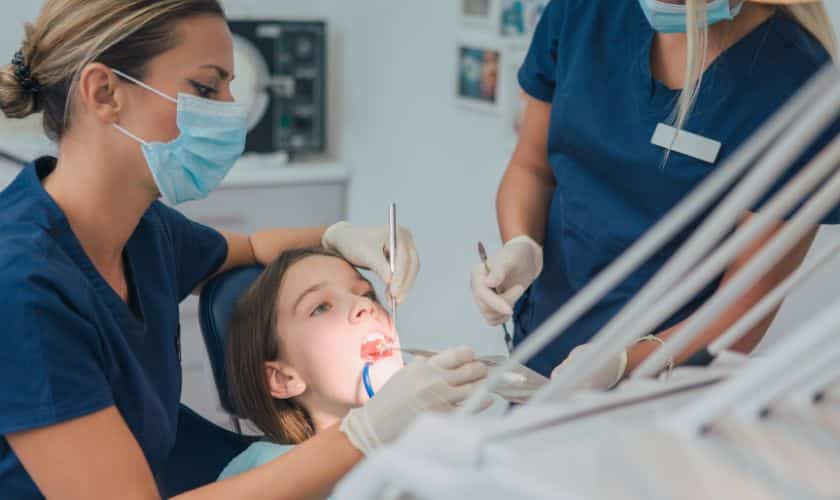
Pediatric orthodontic care is not just about straightening teeth; it’s about setting a foundation for lifelong dental health. For children embarking on the braces journey, understanding what to expect and how to navigate the process is essential. This comprehensive guide delves into the ins and outs of pediatric orthodontic care, providing valuable insights for parents and children alike.
- The Importance of Early Intervention: Pediatric orthodontists recommend early assessments to detect and address dental issues before they worsen. Identifying problems like malocclusion or overcrowding early can prevent more severe issues later on.
- Common Pediatric Orthodontic Problems: Children may face various orthodontic issues, including crooked teeth, overbites, underbites, and gaps. Understanding these problems helps parents recognize when their child may need orthodontic treatment.
- Exploring Treatment Options: Traditional braces and clear aligners are the two primary treatment options for children. Traditional braces are effective for complex cases, while clear aligners offer a discreet alternative suitable for less severe issues.
- Navigating the Braces Journey: The braces journey begins with a consultation, where the orthodontist assesses the child’s oral health and discusses treatment options. Throughout treatment, regular adjustments are made to gradually shift the teeth into alignment.
- Maintaining Oral Hygiene with Braces: Proper oral hygiene is crucial during orthodontic treatment to prevent issues like tooth decay and gum disease. Children with braces should brush and floss diligently and use special tools like interdental brushes and floss threaders.
- Addressing Challenges and Concerns: It’s normal for children to experience discomfort or soreness after braces adjustments. Parents can offer soft foods and over-the-counter pain relievers to alleviate discomfort. Additionally, broken braces or orthodontic emergencies should be addressed promptly by contacting the orthodontist.
- Life with Braces: While wearing braces, children may need to make some adjustments to their lifestyle. This includes avoiding certain foods that can damage braces, wearing mouthguards during sports activities, and maintaining regular orthodontic appointments.
Conclusion:
Pediatric orthodontic care is a journey that requires patience, commitment, and support from both parents and children. By understanding the basics of pediatric orthodontics and following the guidance of their orthodontist, children can achieve straighter, healthier smiles that last a lifetime.