
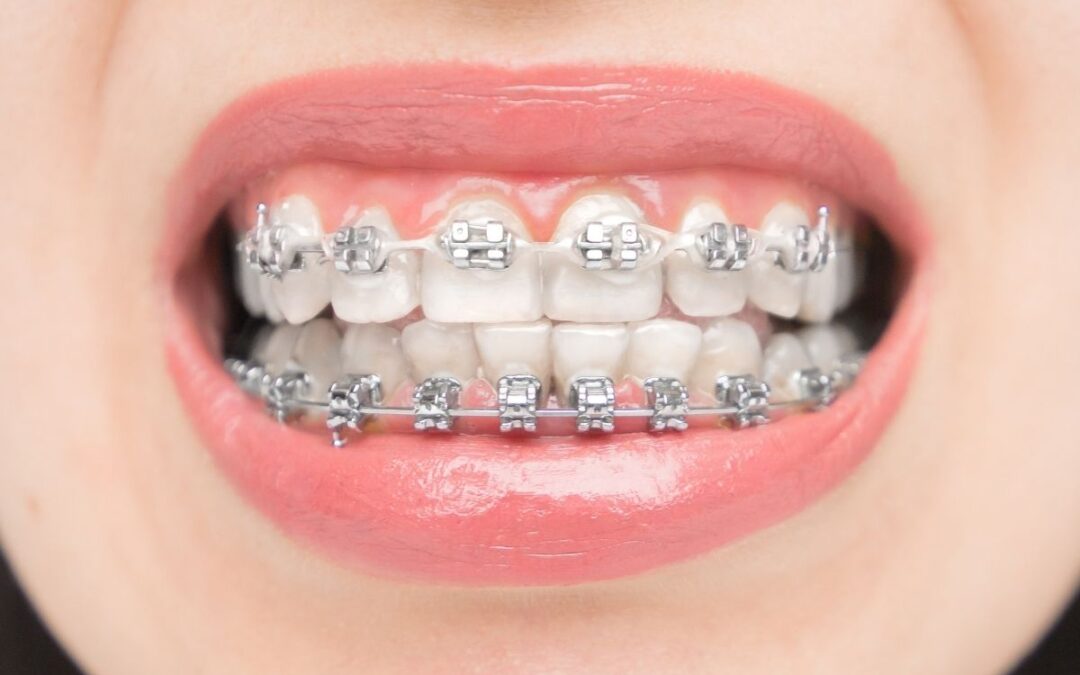
Braces are designed to apply controlled pressure that gradually moves teeth into better alignment over time. Because every part of the appliance works together during treatment, even a small issue, such as a loose wire, can affect comfort, tooth movement, or overall progress if ignored for too long.
Many people experience loose or shifting wires at some point during braces treatment, especially after eating certain foods, playing sports, or as their teeth continue to move into new positions. While some situations are minor and temporary, others may require professional adjustment to prevent irritation or delays in treatment.
Since braces treatment involves regular monitoring and adjustments, having access to consistent orthodontic care can make it easier to manage appliance concerns early and keep treatment progressing as planned.
At TS Orthodontics, Dr. Scanlan and the team provide orthodontic care for families across Asheville, North Asheville, Marion, and Rutherfordton. With offices in all four communities, our team helps children, teens, and adults manage every stage of braces treatment, including adjustments, appliance concerns, and bite-alignment changes that may occur between visits.
What Does a Loose Braces Wire Mean?
Braces wires connect the brackets attached to the teeth and help guide tooth movement throughout treatment. As teeth shift, the wire gradually applies pressure as directed by the treatment plan.
A wire may become loose when:
- A bracket shifts position
- The wire slides out of place
- A tie or elastic loosens
- Hard or sticky foods bend the wire
- Teeth movement changes wire tension
In some cases, a loose wire may simply feel uncomfortable. In others, it may interfere with how the braces continue to move the teeth.
Can Loose Wires Affect Treatment Results?
Potentially, yes.
Orthodontic treatment depends on controlled and consistent forces. If a wire is no longer positioned correctly, the affected teeth may not move as intended until the issue is corrected.
Depending on the situation, a loose wire may contribute to:
- Delayed tooth movement
- Uneven pressure on teeth
- Increased irritation inside the mouth
- Changes in bite alignment
- Bracket damage
- Discomfort while eating or speaking
Minor wire movement for a short period may not significantly affect treatment, but problems that remain unaddressed for longer periods can sometimes interfere with progress.
Signs a Braces Wire May Need Attention
Some wire issues are easy to notice immediately, while others develop gradually.
Common signs include:
- A wire poking the cheek or gums
- Increased soreness in one area
- A wire visibly out of place
- Loose brackets connected to the wire
- Difficulty chewing comfortably
- Changes in how the braces feel
- Irritation or sores inside the mouth
Any sudden change in comfort or appliance position is worth monitoring closely.
What to Do If a Braces Wire Feels Loose
Some minor wire irritation can be temporarily managed at home until the orthodontic office can evaluate the issue.
Helpful steps may include:
- Using orthodontic wax over irritating areas
- Avoiding hard or sticky foods
- Rinsing with warm salt water if tissues become irritated
- Being careful while brushing around the area
It is important not to cut or forcefully bend the wire unless instructed by the orthodontic team.
Trying to adjust braces at home without guidance may damage the appliance or affect tooth movement.
Foods That Commonly Cause Wire Problems
Certain foods place extra stress on braces wires and brackets.
Foods often associated with wire issues include:
- Hard candy
- Ice
- Sticky caramel
- Popcorn kernels
- Nuts
- Chewy bagels
- Crunchy chips
- Gum
Following food recommendations during treatment helps reduce the risk of appliance damage and unexpected adjustments.
Why Regular Orthodontic Monitoring Matters
Braces treatment is not only about placing brackets on teeth. Regular monitoring allows the orthodontic team to evaluate:
- Tooth movement progress
- Wire positioning
- Bite changes
- Bracket stability
- Jaw alignment
- Overall treatment response
This is one reason ongoing appointments remain important even when braces seem to be functioning normally.
At TS Orthodontics, Dr. Scanlan and his team carefully monitor appliance adjustments and tooth movement throughout treatment to help ensure braces continue working as planned for individuals and families across Asheville, North Asheville, Marion, and Rutherfordton.
Can a Loose Wire Cause Mouth Sores?
Yes.
When wires move out of position, they may rub against soft tissues inside the cheeks, lips, or gums. This friction sometimes creates:
- Irritation
- Tender spots
- Small ulcers
- Swelling
- Difficulty eating comfortably
Orthodontic wax can often help reduce irritation temporarily until the wire is professionally adjusted.
Should You Wait Until Your Next Appointment?
That depends on the severity of the issue.
Mild discomfort without visible appliance damage may sometimes wait until the next scheduled visit if advised by the orthodontic office. However, certain problems should be addressed sooner, especially if:
- The wire is poking soft tissues
- A bracket becomes detached
- Significant discomfort develops
- The appliance feels unstable
- Chewing becomes difficult
Calling the office allows the team to determine whether an earlier visit may be appropriate.
Can Loose Wires Slow Down Braces Treatment?
In some situations, yes.
Braces work through carefully controlled forces over time. If wires or brackets are not functioning correctly, certain teeth may stop moving according to schedule until adjustments are made.
Delays vary depending on:
- How long the issue remains untreated
- Which teeth are affected
- Whether brackets are also damaged
- The stage of treatment
Early evaluation helps reduce the chance of unnecessary interruptions in progress.
How Orthodontists Fix Loose Wires
Treatment depends on the condition of the appliance.
Possible adjustments may include:
- Repositioning the wire
- Replacing damaged ties or elastics
- Repairing loose brackets
- Trimming excess wire
- Adjusting appliance tension
Most wire adjustments are relatively quick once the issue is identified properly.
When to Contact an Orthodontic Office
If your braces wire becomes loose, uncomfortable, or visibly out of position, it is best to have the issue evaluated before it begins affecting comfort or treatment progress.
Dr. Scanlan and the team at TS Orthodontics provide braces care and orthodontic treatment support for families across Asheville, North Asheville, Marion, and Rutherfordton. With offices conveniently located throughout the region, the team helps individuals manage appliance concerns, treatment adjustments, and bite alignment changes during every stage of orthodontic care. To speak with our team or schedule an appointment, call our Asheville office at 828-270-7638, North Asheville office at 828-248-0582, Marion office at 828-408-0458, or Rutherfordton office at 828-276-8479.
Why Small Braces Problems Should Not Be Ignored
Loose braces wires may seem minor at first, but they can sometimes affect comfort, appliance function, and tooth movement if left unaddressed. Paying attention to changes in how braces feel and having concerns evaluated early helps keep treatment progressing more smoothly.
Understanding how braces components work together also helps individuals protect their appliances, reduce unnecessary discomfort, and support better treatment results throughout the orthodontic process.