
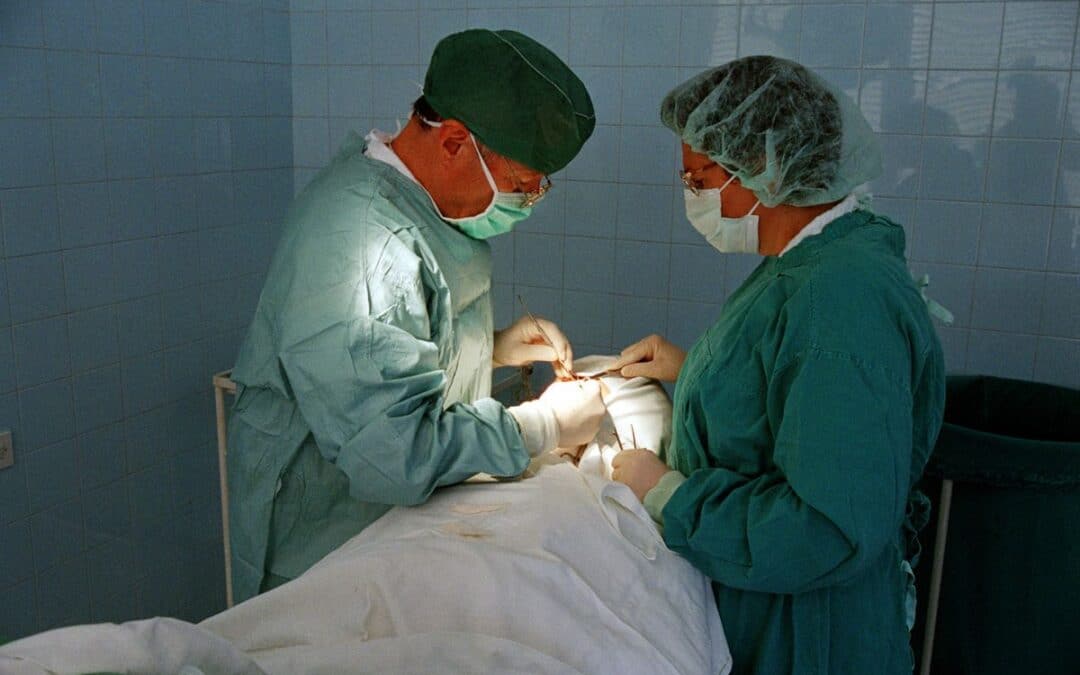
If you’re considering oral surgery, it’s natural to feel a bit anxious or uncertain about the process. Whether you’re scheduling a consultation for a tooth extraction, dental implant, or another procedure, understanding what to expect during your first visit to an oral surgeon in Asheville can help alleviate any concerns. This step-by-step guide will walk you through the process, from the moment you schedule your appointment to the final step of understanding your treatment plan.
Oral surgery is a specialized field within dentistry that focuses on diagnosing and treating various conditions affecting the mouth, jaw, and face. Finding the right oral surgeon near you is crucial for ensuring a positive experience, which is why understanding the steps involved in the consultation process can help you feel more at ease.
Step 1: Scheduling Your Appointment
The first step toward your oral surgery journey is to schedule an appointment with an experienced oral surgeon in Asheville. Whether you were referred by your dentist or found the surgeon on your own, it’s important to find a reputable specialist who is well-reviewed and experienced in performing the procedure you need.
During this initial phone call, the office staff will typically ask for your personal information, insurance details, and a brief medical history. Be prepared to answer questions related to:
- Any existing medical conditions (diabetes, heart disease, etc.)
- Medications you are currently taking
- Any previous surgeries or dental procedures
- Your dental health concerns and the reason for seeking oral surgery
This information helps the oral surgeon assess whether the procedure is appropriate for you and allows them to develop a customized treatment plan for your needs.
Step 2: Arriving for Your Appointment
On the day of your appointment, you’ll likely be asked to arrive 15 to 20 minutes early to complete any necessary forms. It’s a good idea to bring along the following:
- Your ID, insurance card, and any required paperwork
- A list of medications you’re currently taking (including over-the-counter supplements)
- Your medical history, if you haven’t already provided it over the phone
Once you’ve completed the necessary paperwork, you’ll be taken to an exam room, where the oral surgeon will begin the consultation.
Step 3: Consultation and Examination
The consultation is a crucial part of your first visit to the oral surgeon in Asheville. During this time, the oral surgeon will review your medical history, ask you about your symptoms or dental concerns, and conduct a thorough examination of your mouth, teeth, and gums. If you’re seeking surgery due to a tooth issue, such as an impacted wisdom tooth, the surgeon may take X-rays to get a better view of the problem area.
Here’s what you can expect:
- Discussion of Symptoms: You’ll be asked to describe any pain, discomfort, or dental issues you’re experiencing. Be as specific as possible to help the surgeon understand your condition.
- Oral Examination: The surgeon will perform a visual exam of your teeth, gums, and the surrounding tissues to evaluate the condition of your mouth.
- X-rays and Imaging: If needed, the surgeon may take X-rays or digital scans to get a clear picture of your teeth, jaw, and any areas that may require surgical intervention. Advanced imaging helps the oral surgeon plan the procedure with precision.
- Review of Treatment Options: After the examination, the surgeon will discuss your diagnosis and treatment options. If surgery is necessary, they will explain the procedure in detail, answer any questions you may have, and provide an overview of the recovery process.
Step 4: Discussion of Anesthesia Options
Anesthesia is a key aspect of oral surgery. Depending on the type of surgery you need, the oral surgeon will discuss the best anesthesia options for your procedure. There are different levels of anesthesia, including:
- Local Anesthesia: This numbs only the area where the surgery will take place. You’ll remain awake during the procedure but won’t feel pain.
- Sedation: Often used for more invasive procedures, sedation helps you relax and remain calm during surgery. You’ll still be conscious but may not remember much of the procedure afterward.
- General Anesthesia: In more complex cases, general anesthesia may be used to put you to sleep throughout the surgery.
The oral surgeon will work with you to determine the most appropriate anesthesia based on your health and the complexity of the surgery. This discussion also includes an overview of any pre-surgery preparations you’ll need to follow, such as fasting before the procedure.
Step 5: Understanding the Surgery Procedure
Once you’ve agreed on a treatment plan and anesthesia options, the oral surgeon will explain the specific steps involved in your surgery. If you’re undergoing a tooth extraction, dental implants, or another procedure, the surgeon will walk you through the expected process. They will discuss:
- How long the procedure will take
- Any risks or potential complications
- Expected recovery times and follow-up care
This is your opportunity to ask any remaining questions or voice any concerns you may have about the surgery. An experienced oral surgeon will take the time to ensure that you understand the procedure and feel comfortable with your treatment plan.
Step 6: Pre-Surgery Instructions
Before the day of your surgery, the oral surgeon will provide you with detailed pre-surgery instructions. These may include:
- Fasting Instructions: If you’re undergoing sedation or general anesthesia, you’ll need to refrain from eating or drinking for several hours before your procedure.
- Medication Instructions: You may need to adjust or stop certain medications before surgery, especially if you take blood thinners, insulin, or medications that affect your immune system.
- Arrangements for Transportation: Since you may be sedated during your surgery, it’s important to arrange for a friend or family member to drive you to and from the appointment.
Step 7: Follow-Up Care and Recovery
After your surgery, the oral surgeon will give you specific instructions for aftercare to ensure a smooth recovery. This may include advice on pain management, swelling reduction, diet modifications, and when to return for a follow-up visit.
Pain after oral surgery is common but manageable with prescribed pain relievers and cold compresses. You may also be advised to avoid certain activities like vigorous exercise, smoking, or drinking through a straw during the initial healing period.
The oral surgeon will schedule a follow-up visit to monitor your recovery and ensure everything is healing as expected. Depending on the procedure, multiple follow-up visits may be required.
Step 8: Additional Resources and Information
As part of your treatment, your oral surgeon may recommend additional resources or reading material to help you better understand your condition and surgery. For example, the American Dental Association offers helpful resources about oral surgery and recovery.
Also Read: Understanding Anesthesia Options for Oral Surgery: Insights for Asheville Patients
Your first visit to an oral surgeon in Asheville is an important step in your oral health journey. Whether you’re undergoing a simple tooth extraction or a more complex procedure like dental implants, understanding what to expect during your consultation will help you feel more comfortable and confident about the process. The key is finding a skilled, compassionate oral surgeon near you who can guide you through each step of the process.
By preparing ahead of time, asking questions, and following the pre- and post-surgery instructions, you can ensure a smoother experience and a successful outcome. If you’re looking for an experienced oral surgeon in Asheville, don’t hesitate to schedule a consultation and take the first step toward better oral health.
For more information on oral surgery, visit the American Dental Association for resources and guidelines on dental care.