As a parent, one of the most important steps in your child’s dental health is ensuring their teeth develop properly. Crooked teeth are a common concern, and many parents wonder when they should take their child to a pediatric orthodontist. Early intervention can make a world of difference in achieving a healthy, confident smile. But how do you know when it’s the right time to schedule that visit? Let’s break it down.
What is a Pediatric Orthodontist?
Before diving into when to see one, it’s important to understand what a pediatric orthodontist is. A pediatric orthodontist is a dental specialist who focuses on diagnosing, preventing, and treating dental and facial issues in children. These professionals are trained to handle the unique needs of growing mouths and often address issues like crooked teeth, misalignment, overbites, underbites, and more. They work closely with children to ensure proper dental development, helping prevent more severe issues later in life.
Signs Your Child Needs to See a Pediatric Orthodontist
-
Teeth are Starting to Look Crooked or Misaligned Crooked teeth are one of the most common reasons parents bring their child to an orthodontist. If your child’s teeth appear misaligned, this could indicate that an orthodontic issue is developing. While it’s normal for baby teeth to be a bit uneven, permanent teeth that come in crooked or crowded might signal that your child needs intervention.
-
Early or Late Loss of Baby Teeth Another important factor to consider is the timing of when your child loses their baby teeth. If your child loses teeth much earlier or later than usual, it could disrupt the natural alignment of their adult teeth. The American Dental Association (ADA) recommends visiting a pediatric orthodontist if teeth loss happens too early or too late, as it can influence the eruption of permanent teeth.
-
Difficulty with Biting or Chewing If your child complains about difficulty when biting or chewing, it could be due to crooked or misaligned teeth. These issues can affect their ability to chew food properly, which can lead to nutritional problems or jaw pain. A pediatric orthodontist can evaluate the alignment and offer the best treatment options.
-
Teeth Grinding or Jaw Pain Do you hear your child grinding their teeth, or do they often complain about jaw pain? Teeth grinding, known as bruxism, is common in children, but it’s often linked to dental misalignment. A pediatric orthodontist can assess whether this behavior is due to crooked teeth or other orthodontic issues and provide solutions to prevent further damage.
-
Visible Overbite or Underbite Overbites and underbites occur when the upper and lower teeth don’t meet properly. Overbites often make the upper teeth protrude, while underbites make the lower teeth jut out. If your child’s bite doesn’t line up properly, it’s essential to take them to an orthodontist for an evaluation. Early intervention can often correct these issues with braces or other treatments, reducing the need for more invasive procedures later on.
-
Speech or Breathing Issues Crooked teeth can also affect how your child speaks or breathes. If you notice speech difficulties or if your child seems to breathe through their mouth instead of their nose, it could be due to dental misalignment. A pediatric orthodontist can determine if these issues are caused by crooked teeth or jaw alignment problems and can guide you on the best course of action.
Ideal Age for a First Visit
The American Association of Orthodontists (AAO) recommends that children have their first orthodontic evaluation by the age of 7. While this might seem early, it’s the best time to assess potential problems. At this age, most children have a mix of baby and permanent teeth, which allows the orthodontist to see how their teeth and jaw are developing. Early evaluations help prevent more complex issues down the road and may shorten the duration of treatment.
What to Expect During Your Visit
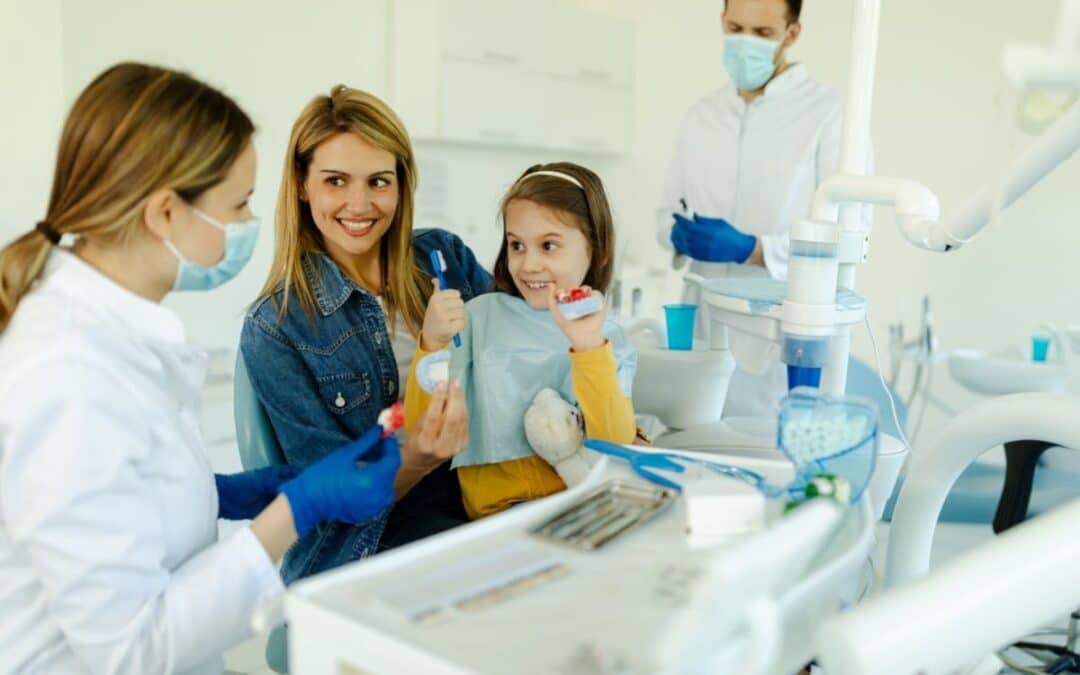
When you take your child to a pediatric orthodontist, expect a thorough evaluation. The orthodontist will examine your child’s teeth, bite, and jaw structure. They may take X-rays or photos to get a complete picture of the dental development. Afterward, they’ll discuss any concerns, recommend treatments if necessary, and provide a timeline for how long treatment might take.
Benefits of Early Treatment
One of the greatest benefits of seeing a pediatric orthodontist early is the possibility of early intervention. When orthodontic issues are caught early, treatment can be simpler, more affordable, and effective. For example, some kids might need space maintainers or partial braces to ensure that their permanent teeth grow in the correct positions. With early treatment, these issues can often be corrected with minimal discomfort or time.
When to Take Action
In conclusion, the right time to take your child to a pediatric orthodontist is when you notice any of the signs mentioned above. Don’t wait too long to schedule an appointment if you’re concerned about your child’s teeth. Early intervention can make a significant difference in their overall dental health and prevent more serious issues in the future.
If you’re unsure whether it’s the right time for a visit, don’t hesitate to schedule an appointment with a qualified pediatric orthodontist. They will guide you on the next steps and ensure that your child’s dental health is on track for a bright future.
Schedule an Appointment today and give your child the gift of a confident smile!
For more information on dental care, visit the American Dental Association’s website here.